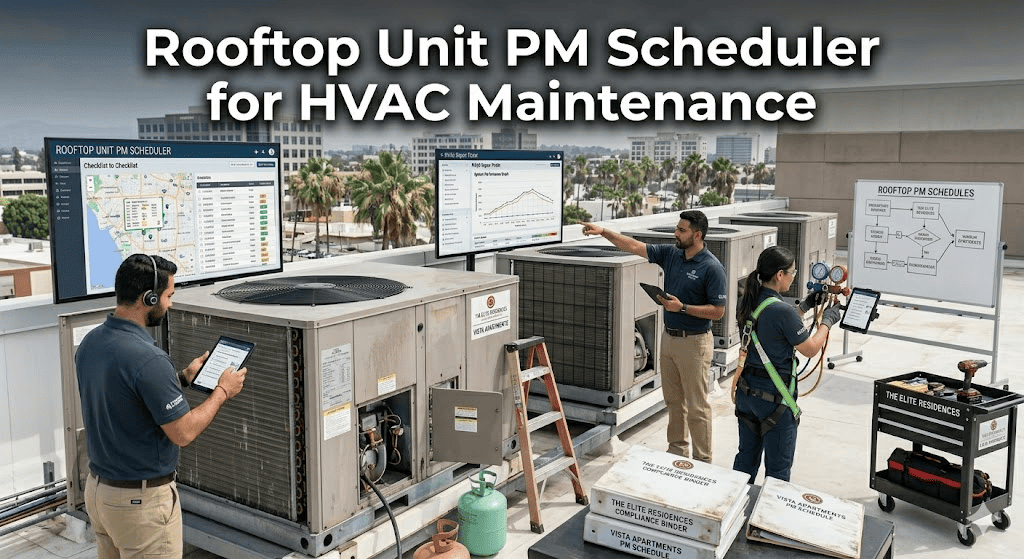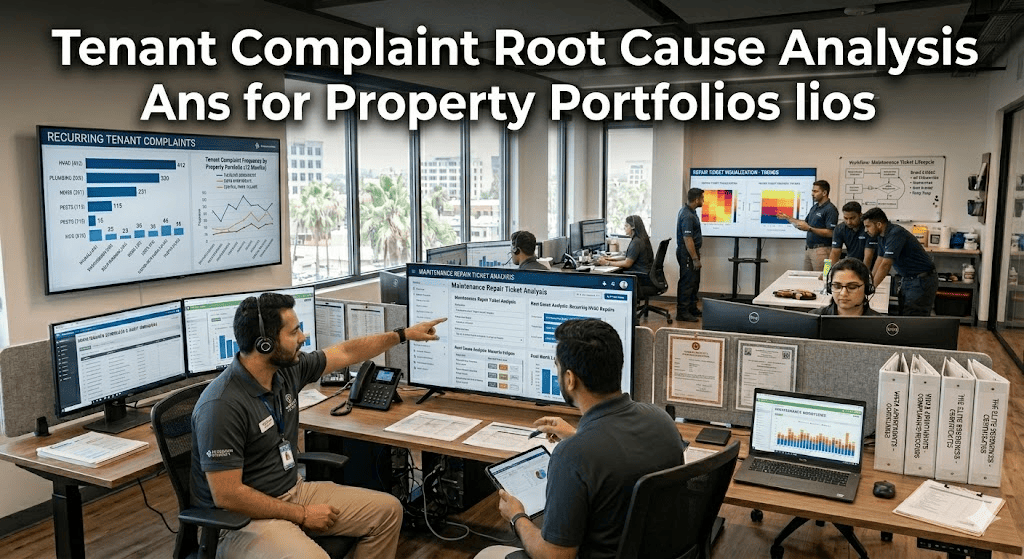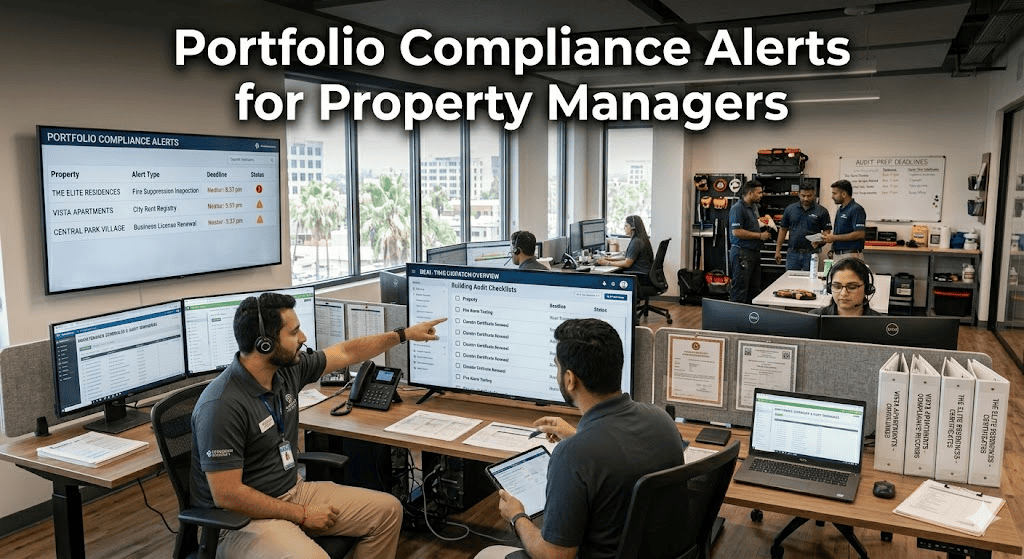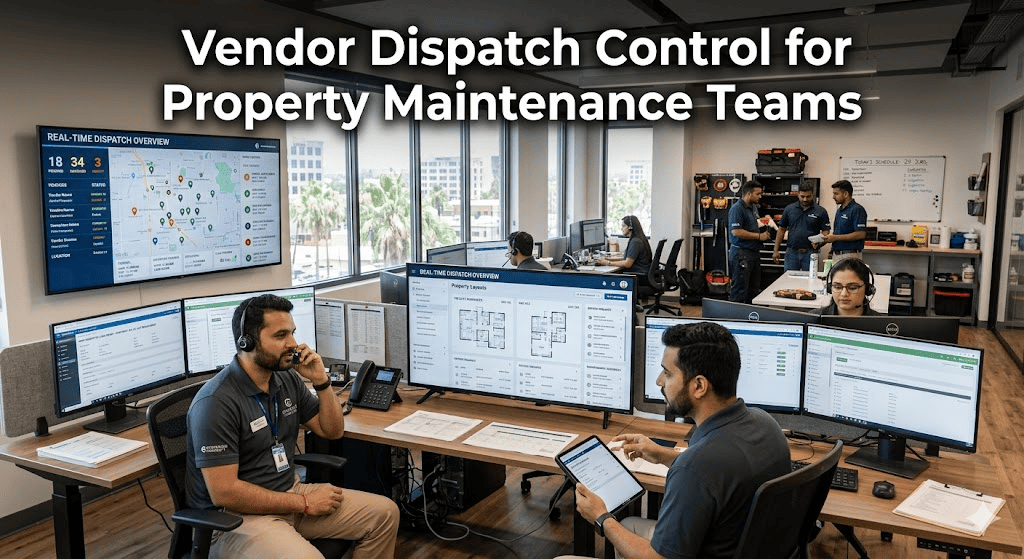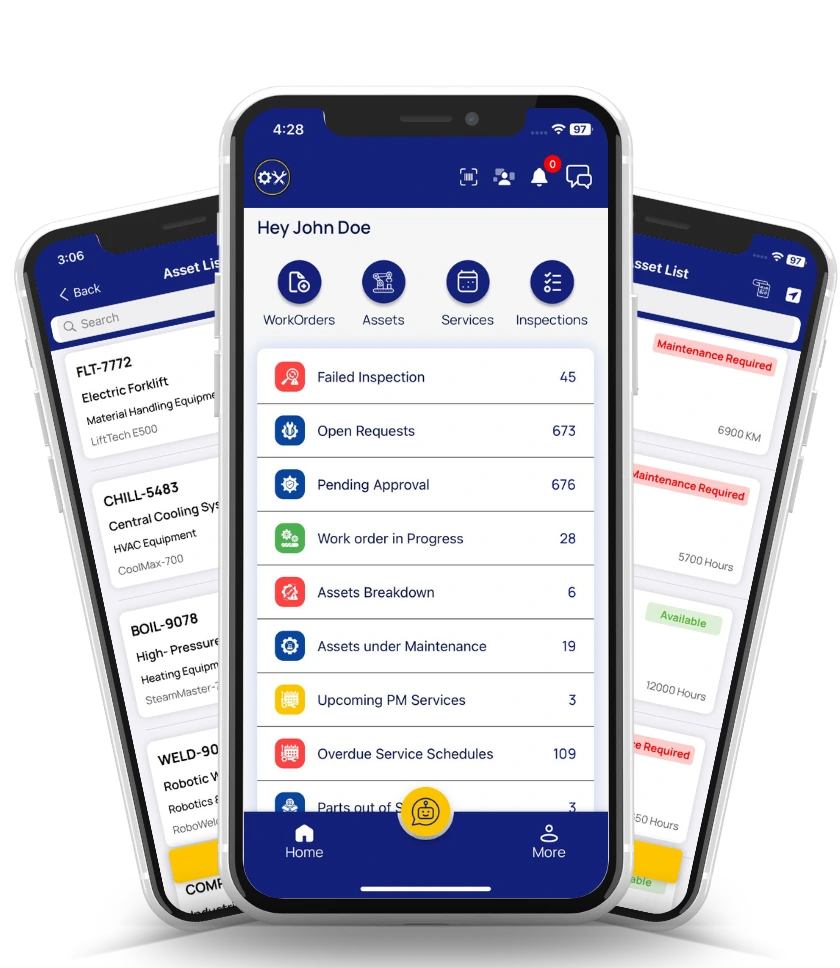
Campus utility rooms are the silent backbone of every university — housing the HVAC plants, electrical switchgear, boilers, water pumps, and fire systems that keep classrooms, dormitories, labs, and athletic facilities operational. Yet most campus maintenance teams still inspect these critical rooms with paper checklists, clipboard notes, and disconnected photo files that vanish into email threads. When a chiller fails during finals week, an electrical panel overheats in a residence hall, or a boiler inspection lapses before a state audit, the cost is measured in emergency overtime, displaced students, and regulatory penalties. A modern utility room inspection app from OxMaint replaces clipboard chaos with structured mobile checklists, geotagged photo evidence, and real-time work order tracking — giving facilities directors a live view of every utility room across the campus portfolio.
Identify Hidden Campus Utility Cost Leaks Instantly
See how much you can eliminate from reactive utility room failures across your entire campus portfolio.
No heavy implementation required · Works across multi-site campuses · Live in days, not months
What Is a Campus Utility Room Inspection App?
A utility room inspection app is a mobile-first software platform that lets campus maintenance technicians perform, document, and submit inspections of HVAC plants, electrical rooms, boiler houses, and mechanical spaces directly from a tablet or phone. Instead of paper checklists and disconnected cameras, every reading, every defect, every photo, and every technician signature is captured against the specific asset and routed automatically into a centralised work order system.
For campus facilities teams managing multiple buildings across academic, residential, and athletic zones, the app converts inspection rounds from a record-keeping burden into a real-time operational dashboard. Overdue inspections surface automatically, defects trigger work orders without manual intervention, and audit-ready documentation is retrievable in seconds — which is why campus operations teams that adopt structured inspection apps reduce reactive utility repairs by 40-60% within the first year. Start a free trial to see how OxMaint maps your campus utility room hierarchy, or book a demo and we will walk through your building structure live.
6 Core Modules of an Effective Campus Inspection System
Technicians complete structured, room-specific checklists on any device — no internet required. All data syncs on reconnect, capturing readings, pass/fail status, and corrective notes.
Geotagged, timestamped photos attach directly to the inspection record. Defects are visually documented before and after repair — creating an unambiguous audit trail.
Every failed inspection item generates a work order linked to the specific asset — chiller, panel, boiler, or pump — with priority, assigned technician, and due date auto-populated.
Track filter conditions, coil temperatures, belt wear, and refrigerant levels across all campus AHUs and chillers with scheduled inspection templates by equipment type.
Log panel inspections, thermography results, torque checks, and arc flash label status. NFPA 70E-aligned checklists with mandatory sign-off fields for qualified electricians.
Facilities directors see inspection completion rates, open defects, overdue items, and PM compliance percentage across every building in the campus portfolio — in a single view.
4 Pain Points Killing Campus Utility Maintenance Teams
Paper rounds get lost, skipped, or completed retrospectively. When a state regulator or insurer requests inspection records for a boiler or electrical room, fragmented paper files cannot produce a reliable audit trail — creating compliance exposure and potential penalty liability of $10,000-$100,000 per incident.
Without automatic defect-to-work-order routing, utility room problems identified during rounds are written on a notepad, reported verbally, or entered manually into a separate system — days later. Average defect-to-work-order lag on paper-based campuses is 6-14 days, during which minor faults compound into expensive failures.
When inspection data lives on paper or in individual technician spreadsheets, the facilities director cannot see which buildings are overdue for utility room rounds, which assets are trending toward failure, or where the highest-risk concentrations are — until something breaks.
Boiler certificates, pressure vessel inspections, elevator certifications, and fire system test records expire silently when tracked in spreadsheets. A single lapsed certification discovered during an audit can trigger enforcement action, occupancy restriction, or insurance premium increases across the entire campus portfolio.
Campus facilities teams that shift from paper inspection rounds to structured mobile apps see 40-60% fewer emergency call-outs and eliminate compliance gaps almost entirely — start a free trial to see how OxMaint builds that discipline into your campus workflow from day one.
How OxMaint Solves Campus Utility Inspection Challenges
Pre-built inspection templates for HVAC rooms, electrical panels, boiler rooms, pump stations, and server/telecom rooms. Each checklist enforces reading capture, mandatory photo fields, and technician e-signature before submission.
Technicians complete inspections in basement mechanical rooms and underground utility corridors without connectivity. All data queues locally and syncs automatically when signal is restored — no inspection ever lost.
Failed checklist item triggers a work order in under 10 seconds — pre-populated with asset details, failure description, and attached photo evidence. Average defect-to-work-order time drops from 6 days to under 1 hour.
Every boiler cert, pressure vessel inspection, and electrical panel certification is tracked against its asset with 30- and 60-day advance alerts sent to facilities directors — preventing compliance lapses before they occur.
Facilities directors see inspection completion rates, open defects, and PM compliance scores across every campus building simultaneously — enabling risk-based resource allocation rather than reactive fire-fighting.
Every inspection record carries technician identity, timestamp, GPS location, and digital signature — meeting OSHA, state boiler inspector, and insurance auditor requirements with documentation retrievable in seconds, not hours.
Reactive vs. Structured Inspection: Campus Utility Room Comparison
| Area | Reactive / Paper-Based | OxMaint Structured Inspection |
|---|---|---|
| Inspection Record | Paper checklist, often incomplete or retrospective | Digital, timestamped, photo-attached, e-signed |
| Defect Routing | Verbal report or manual entry, 6-14 day lag | Auto work order in under 60 seconds |
| Certification Tracking | Spreadsheet or binder, lapses undetected | Asset-linked expiry alerts at 30 and 60 days |
| Multi-Building Visibility | No portfolio view — siloed per technician | Live dashboard across all campus buildings |
| Audit Readiness | Hours to reconstruct records, gaps common | Full record retrievable in seconds per asset |
| Emergency Repair Cost | 4.8x average premium on unplanned failures | 40-60% reduction in reactive call-outs |
Campus operations teams switching to structured CMMS-based inspection see measurable results within 30 days — start a free trial and connect your first campus building in under an afternoon, or book a demo to see live ROI modelling on your asset data.
Frequently Asked Questions
What utility room equipment types does OxMaint support inspection checklists for?
Can technicians complete inspections in areas with no cellular signal?
How does OxMaint handle compliance certification tracking for boilers and pressure vessels?
How long does it take to implement OxMaint across a multi-building campus?
Stop Losing Budget to Reactive Campus Utility Failures
Every Uninspected Utility Room Is a Risk Accumulating Silently
Turn every campus utility room inspection into structured, trackable, audit-ready maintenance intelligence with OxMaint.
- Real-time utility room visibility across every campus building
- Automated defect-to-work-order routing in under 60 seconds
- 5-10 year CapEx forecasting from asset condition data
See measurable results in the first 30 days · Used by operations teams managing 10,000+ assets